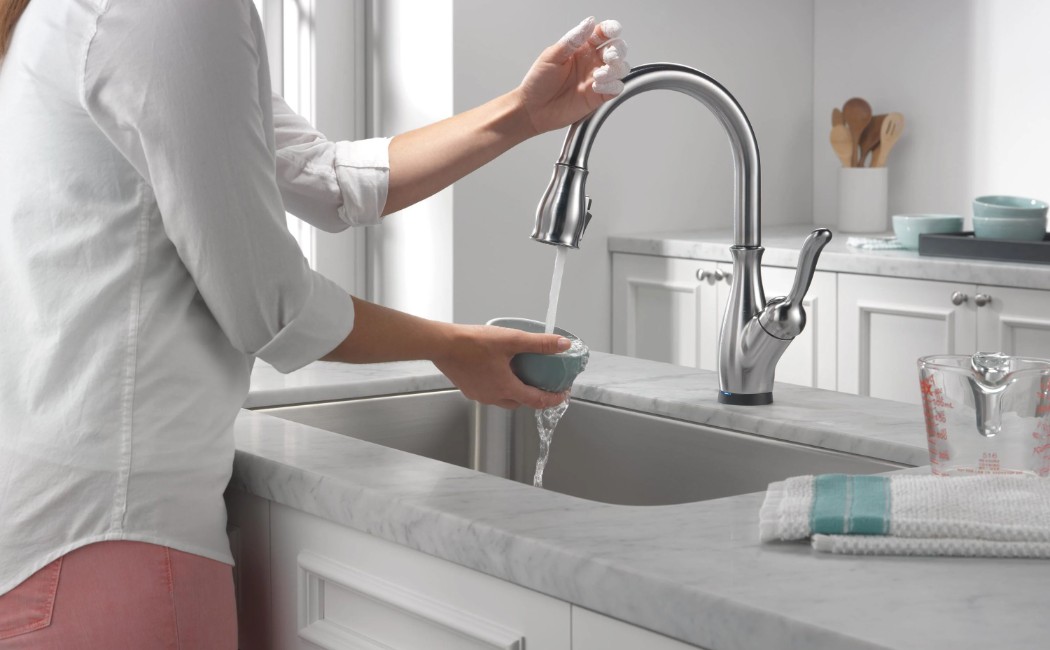
The kitchen faucet is one of the most frequently used fixtures in your home. It bears the daily workload of washing dishes, filling pots, and cleaning vegetables, all while maintaining a consistent water flow. Despite its heavy use, few homeowners consider the durability of their kitchen faucet until a problem arises, such as a leak or loss of water pressure.
Like any other plumbing fixture, your faucet won’t last forever. Over time, it may need maintenance, repair, or complete replacement. Understanding how long a faucet lasts helps you maintain water efficiency, prevent costly repairs, and keep your kitchen running smoothly.
In this guide by BP Plumbing, Riverside, CA, we’ll explore the average lifespan of a kitchen faucet, factors that affect its performance, signs that a faucet needs replacement, and how to choose the best quality kitchen faucet material for long-term use. Whether your faucet is corroded, leaking, or outdated, this guide will help you make the smartest decision for your home.
Average Lifespan of a Kitchen Faucet
On average, a kitchen faucet lasts between 15 and 20 years, though this depends on factors like build quality, material, installation, water quality, and frequency of use.
Faucet Quality and Material
- Low-end faucets made from low-cost materials or installed incorrectly can fail within 5 to 10 years.
- Mid-range models from reputable brands can last 15 years or more with proper kitchen faucet maintenance.
- High-end faucets made from solid brass or stainless steel, especially those with ceramic disc valves, can function efficiently for 20 years or longer. Choosing the best quality kitchen faucet material plays a major role in its longevity.
Frequency of Use
In a household with several people, the faucet may be used dozens of times daily, causing faster wear on internal parts. In contrast, a low-traffic kitchen typically experiences less strain, allowing the faucet to last longer.
Water Quality and Hard Water Buildup
- Water quality is another key factor in kitchen faucet durability.
- Hard water with high mineral content leads to limescale and calcium buildup, damaging internal components.
- Soft water helps prevent deposits, allowing your faucet to last longer.
- Installing a water softener or filter is one of the simplest ways to extend kitchen faucet life and preserve smooth operation.
Faucet Maintenance Tips
Regular kitchen faucet maintenance is crucial to maximizing performance and preventing early failure.
- Clean the faucet surface regularly to remove grime and hard-water spots.
- Inspect for small leaks and fix them promptly.
- Descalcify the aerator and handle joints.
- Ignoring even minor drips can accelerate wear and shorten the faucet’s lifespan.
Signs the Faucet Needs Replacing
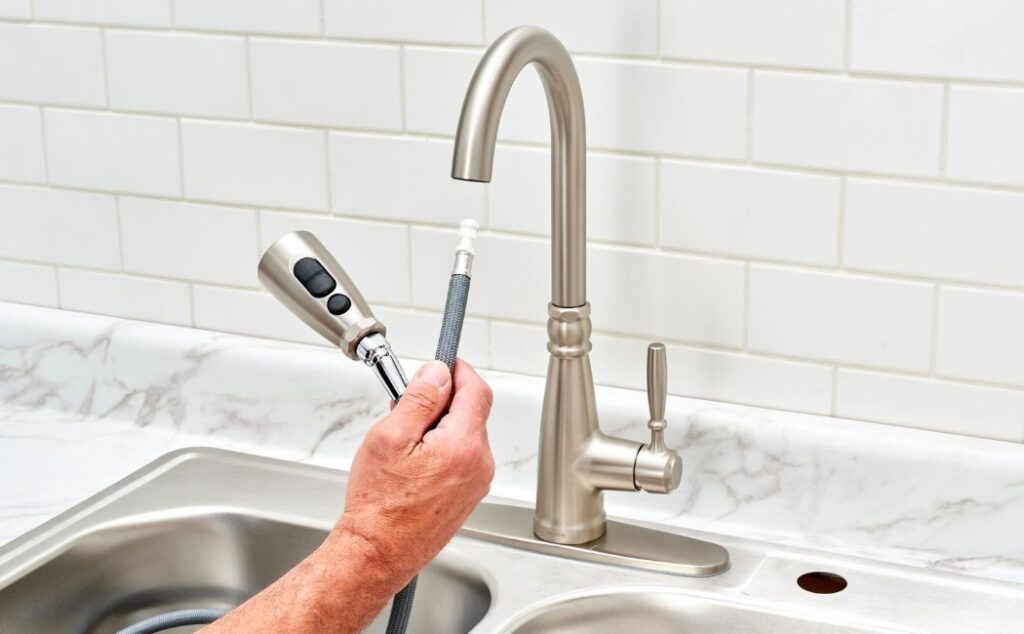
Recognizing the signs that a faucet needs replacing on time can help you act before small issues become expensive repairs.
1. Persistent Dripping
If your faucet continues to drip after you have replaced washers or cartridges, corrosion inside the valve seat may be to blame. A dripping faucet wastes thousands of gallons of water annually time to consider kitchen faucet repair or replacement.
2. Fluctuating or Low Water Pressure
A noticeable drop in water pressure usually signals internal buildup or corrosion. Cleaning the aerator may help, but ongoing issues often require professional kitchen faucet repair or replacement.
3. Rust and Corrosion
Visible rust, flaking metal, or green discoloration indicates corrosion. Once it starts, performance and water quality decline rapidly, making replacement the most practical option.
4. Unusual Noises
Squealing, screeching, or clicking when turning the handle often points to worn internal components. Adding a lubricant may provide temporary relief, but on a long-term basis, kitchen faucet repair or replacement is the ultimate solution
5. Spitting or Sputtering Water
If the faucet spits or sputters even after cleaning the aerator, internal damage may have occurred. This usually means the fixture is at the end of its life.
6. Leaks Around the Handle or Base
Leaks near the base or handle suggest worn seals or O-rings. If not addressed, this can cause cabinet water damage or mold growth.
7. Foul Odors or Metallic Taste
When only one faucet in the home produces bad-smelling or metallic-tasting water, corrosion inside the fixture is the likely culprit.
8. Outdated Design or Poor Functionality
Sometimes, replacement is about upgrading convenience. Modern faucets offer touchless technology, pull-down sprayers, and elegant finishes that can completely transform your kitchen’s look and usability.
Benefits of Replacing an Old Faucet
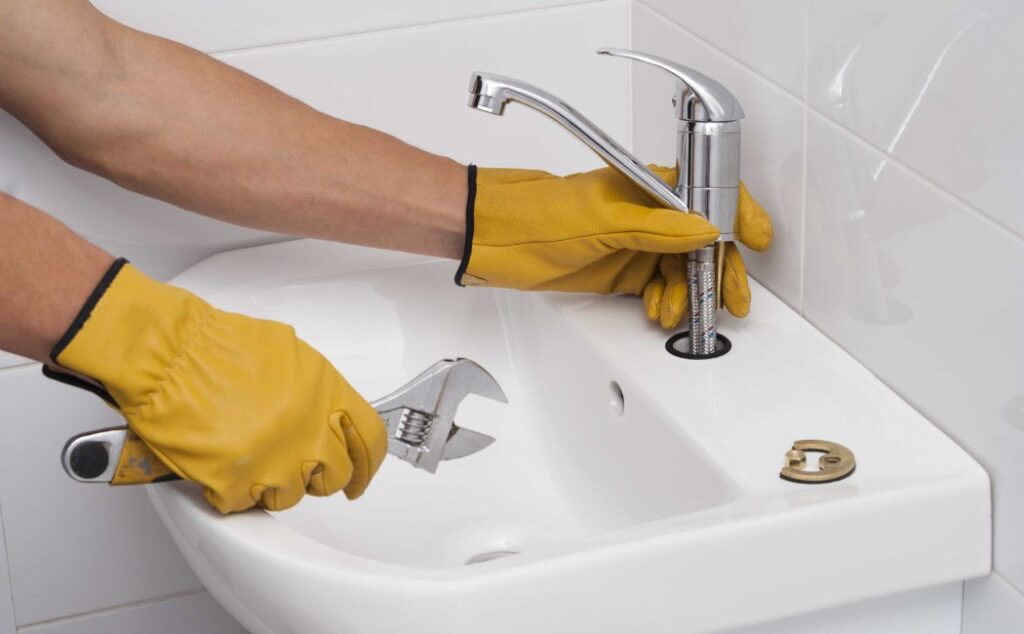
Upgrading your kitchen faucet isn’t just about fixing problems; it’s a chance to improve your kitchen’s performance and appeal.
1. Improved Water Efficiency
Modern faucets are designed to minimize water waste without compromising flow. WaterSense-certified models can reduce consumption by up to 30%, cutting costs and supporting sustainability.
2. Enhanced Functionality
Contemporary faucets include convenient features such as magnetic docking sprayers, motion sensors, and swivel spouts that simplify kitchen chores.
3. Better Aesthetics
Replacing your old faucet gives your kitchen a visual refresh. With finishes like matte black, brushed nickel, or polished chrome, you can match any interior style seamlessly.
4. Increased Home Value
New plumbing fixtures signal proper home maintenance and can boost resale appeal. Buyers appreciate modern upgrades like new Kitchen Faucet Installation.
5. Reduced Maintenance
With corrosion-resistant coatings and improved valve technology, newer models are easier to maintain and require fewer repairs, making your long-term Kitchen Faucet Maintenance simpler and more cost-effective.
Tips for Choosing a Long-Lasting Faucet
When selecting a replacement, prioritize kitchen faucet durability and functionality. Here’s what to look for:
- Choose solid brass or stainless steel construction for superior longevity.
- Opt for ceramic disc valves instead of rubber washers for leak-free performance.
- Look for water-saving and easy-clean finishes to extend kitchen faucet life with minimal effort.
Hiring Professional Plumbers
While replacing a faucet might seem like a simple DIY task, hiring the Best Kitchen Faucet Services Company in your area ensures precision, safety, and long-lasting results. Our professional kitchen faucet repair experts easily detect hidden leaks and ensure all connections are properly sealed. They can also handle complex upgrades like touchless systems and smart faucets.
For ongoing upkeep, consider scheduling periodic Kitchen Faucet Maintenance or inspections to identify early issues before they become costly repairs. Kitchen Faucet Maintenance Specialists can restore your faucet’s function and prevent water waste.
Final Thoughts
By choosing us at BP Plumping, Riverside, CA ensure that we pay attention to signs your faucet needs replacing, like leaks, rust, or inconsistent water flow, which can help you avoid plumbing disasters and maintain efficiency.
Upgrading your faucet isn’t just a repair decision; it’s an opportunity to refresh your kitchen’s look, improve functionality, and ensure long-lasting performance. With the right faucet maintenance tips, quality materials, and professional installation, your new kitchen faucet can serve you flawlessly for decades, making every drop count.
Frequently Asked Questions
What is the best quality kitchen faucet material?
The best quality kitchen faucet material is typically solid brass or stainless steel. These materials resist corrosion, rust, and leaks better than plastic or zinc alloys, ensuring a longer lifespan and fewer repairs.
Can I repair my faucet instead of replacing it?
Yes, Kitchen Faucet Repair is often possible for minor issues like loose handles, worn cartridges, or small leaks.
Does water quality affect faucet durability?
Absolutely. Hard water can cause mineral deposits and corrosion that shorten faucet life. Installing a water softener or filtration system helps prevent buildup and protects your faucet’s internal components.
How do I choose the right faucet for durability and style?
Look for faucets with solid brass or stainless steel bodies and ceramic disc valves for leak-free performance.
Should I hire professionals for faucet installation or replacement?
Yes. Professional kitchen faucet installation ensures a proper seal, prevents leaks, and extends the fixture’s life.