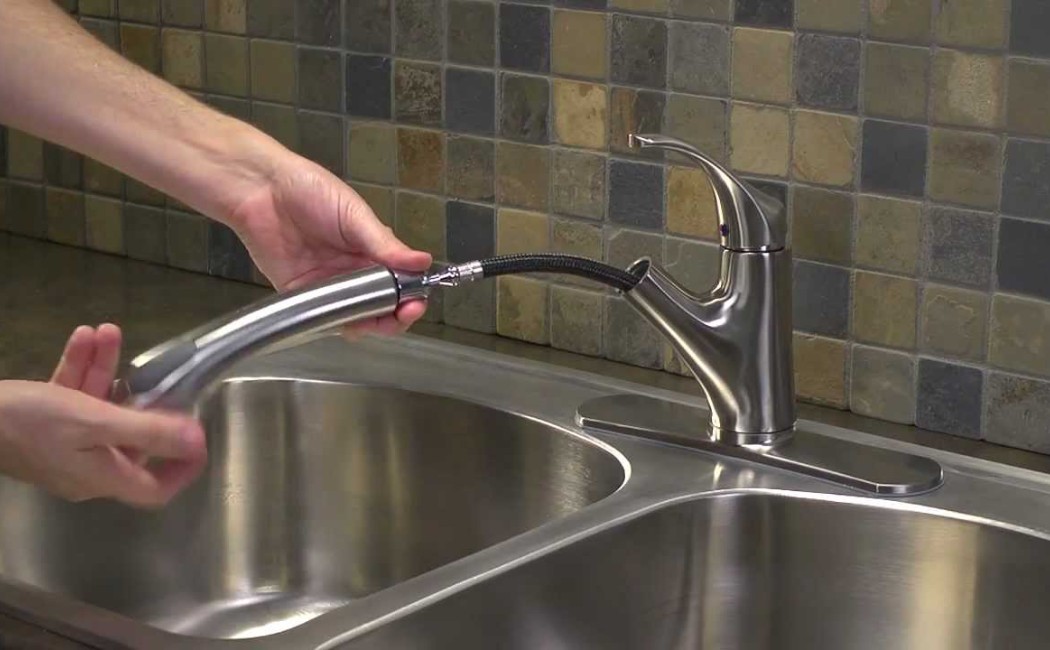
When thinking about the most frequently used things in the house, it is definitely the kitchen faucet. It runs daily for cooking, cleaning, washing, and rinsing. There’s a reason homeowners search for kitchen faucet service so often. Have you ever thought about the most common problems with a kitchen faucet? You probably said leaks, and you would have been correct.
Anyone with a kitchen sink faucet is going to have to deal with worn-out things in the kitchen faucet, such as O-rings, seals, and cartridges, which are the most common internal components of your faucet. Over time, lost pieces can cause you to drip, cause weak water flow, or cause you to lose the function of your faucet completely. People seek services for the kitchen faucet. It’s easy to lose water quickly.
Below, we break down why leaks are so common, the early warning signs, what causes them, and how to prevent major water damage.

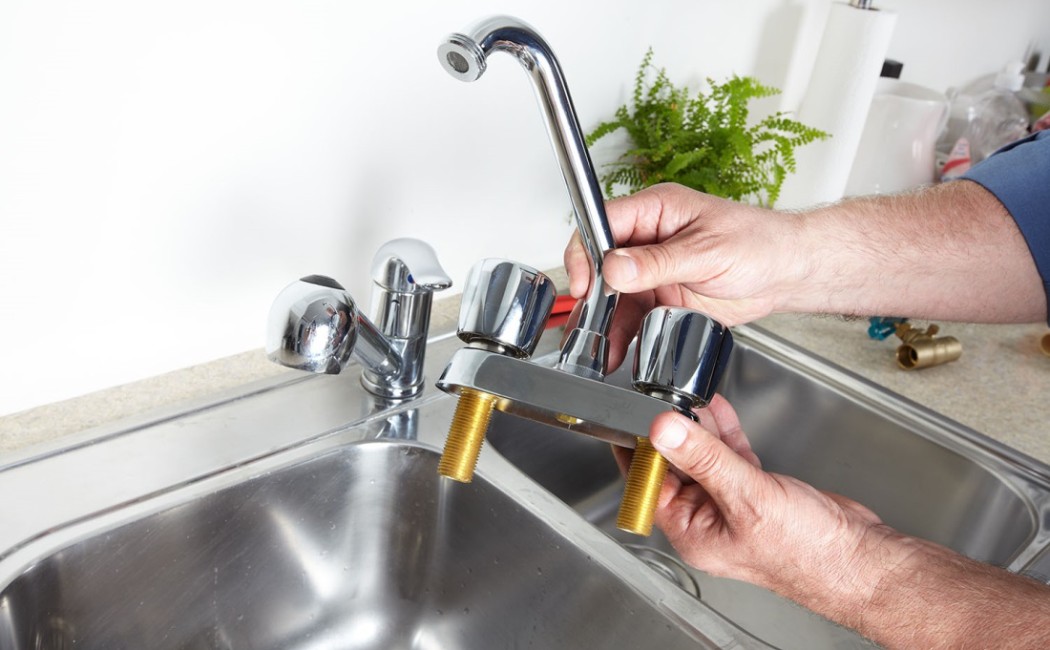
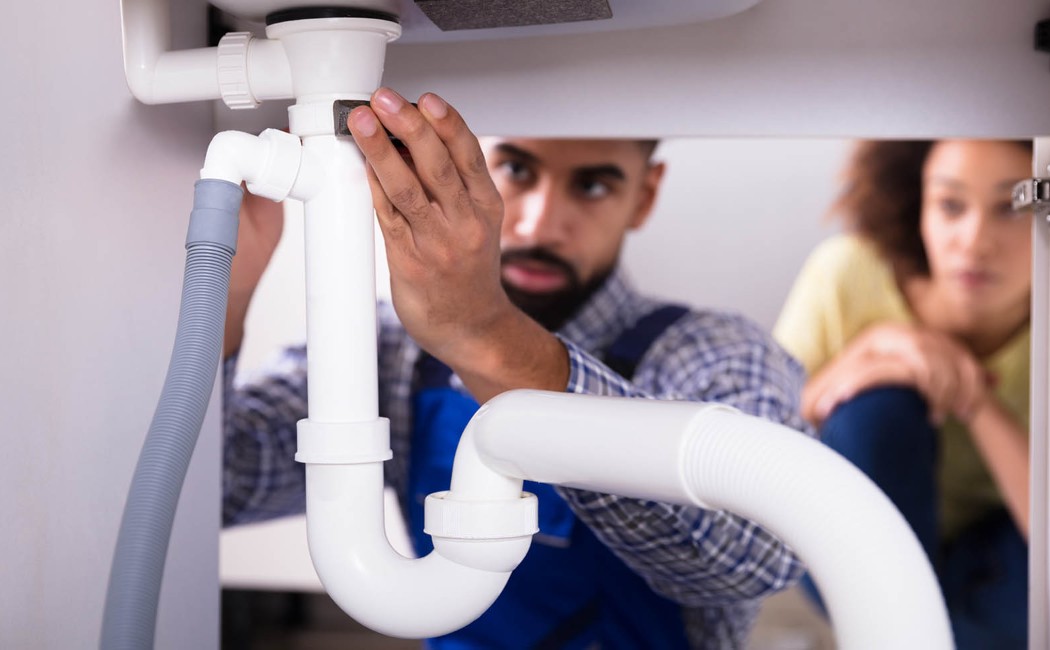
Common kitchen faucet problems homeowners face
Even with a perfect kitchen faucet installation, wear and tear are inevitable. The most frequent failures stem from ageing components and heavy usage. Some of the most common issues homeowners encounter include:- Leaking around the spout or base: usually caused by deteriorated O-rings.
- Dripping faucet even when turned off: indicating a worn-out cartridge.
- Low water pressure: often due to mineral buildup inside aerators or valves.
- Loose handles or wobbling faucet: caused by loose mounting hardware or stripped screws.
- Noisy faucet operation: whistling, screeching, or clunking caused by worn washers or pressure irregularities.
Signs your faucet is about to fail
The earlier you spot a problem, the sooner you can schedule the Best kitchen faucet repair before the issue becomes expensive. Some warning signs that your faucet is on its last leg include:1. Persistent Dripping
A few drops per minute can waste gallons a day, indicating a weakening cartridge or valve.2. Difficulty Turning Handles
If controls become stiff or loose, your faucet may be nearing failure.3. Visible Corrosion
Rust, white scale, or green discolouration signals a water mineral reaction with ageing parts.4. Irregular Water Stream
Spluttering or uneven flow often means internal blockages.5. Water Pooling Around the Base
It is one of the earliest signs of O-ring damage. When these symptoms show up, repair or replacement becomes essential before a small inconvenience becomes a major plumbing headache.Protect your kitchen from water damage.
Water damage spreads quickly, especially under sinks, where small leaks often go unnoticed. Even minor faucet issues can saturate cabinets, warp flooring, and create mould. It gets worse during winter, when extreme cold can cause valve damage or frozen connections. To avoid freezing-weather disasters, always:- Keep your kitchen warm during cold snaps.
- Open sink cabinet doors to allow warmer airflow.
- Insulate exposed water lines, especially near exterior walls.
- Have small leaks checked immediately, even if they seem harmless.
Kitchen faucet leak causes
Understanding what triggers leaks in the first place helps you prevent them. Some of the most common Kitchen faucet leak causes include:1. Worn O-Rings
These rubber rings create a watertight seal. Over time, they dry out, crack, or lose elasticity.2. Corroded Valve Seat
Sediment and minerals collect around the valve seat, wearing it down and causing leaks around the spout.3. Damaged Cartridge
Single-handle faucets rely heavily on a cartridge to regulate temperature and water flow. When it fails, dripping is almost guaranteed.4. Water Pressure Imbalance
High pressure can force water past seals and weaken internal parts.5. Loose Plumbing Connections
Under-sink connections loosen with vibration and movement. When leaks become severe, pipe repair specialists may be required, especially if there are hidden issues inside walls or older pipe systems. Routine kitchen faucet maintenance is the most effective way to extend the life of your faucet and avoid unexpected breakdowns.Kitchen faucet maintenance tips
While Weatherproofing techniques for sheds may sound unrelated, the principle is the same: protect vulnerable areas from moisture, temperature fluctuations, and wear. For faucets, that means:1. Clean Aerators Regularly
Mineral buildup reduces flow and stresses internal parts.2. Check O-Rings Annually
Look for cracking or stiffness.3. Tighten Loose Screws or Mounting Nuts
Movement accelerates wear.4. Inspect Under-Sink Plumbing
Look for slow drips or wet patches.5. Flush the Faucet
Turn off your water supply and remove the aerator to run water through the lines. It clears sediment before it reaches the internal parts.6. Use Plumber’s Silicone Grease
Lubricate moving parts during routine tune-ups to prevent friction damage. These small steps significantly reduce the chance of catastrophic faucet failure.How to fix a leaking faucet
If you want to tackle a repair yourself, here’s a general guide on how to fix a leaking faucet, especially when dealing with Typical kitchen plumbing issues:1. Turn Off the Water Supply
Most sinks have shutoff valves below. If not, turn off the main water supply.2. Plug the Drain
Prevent small parts from falling in.3. Remove the Handle
Use a screwdriver or hex key, depending on the faucet design.4. Inspect the Cartridge or Valve
Check for cracks, mineral buildup, or worn seals.5. Replace Damaged Parts
New cartridges, O-rings, and seats are inexpensive and easy to install.6. Reassemble and Test
Turn the water back on and check for leaks. If the faucet still drips, your plumbing system may be older or corroded. Repipe services may eventually be needed to address deeper issues.